
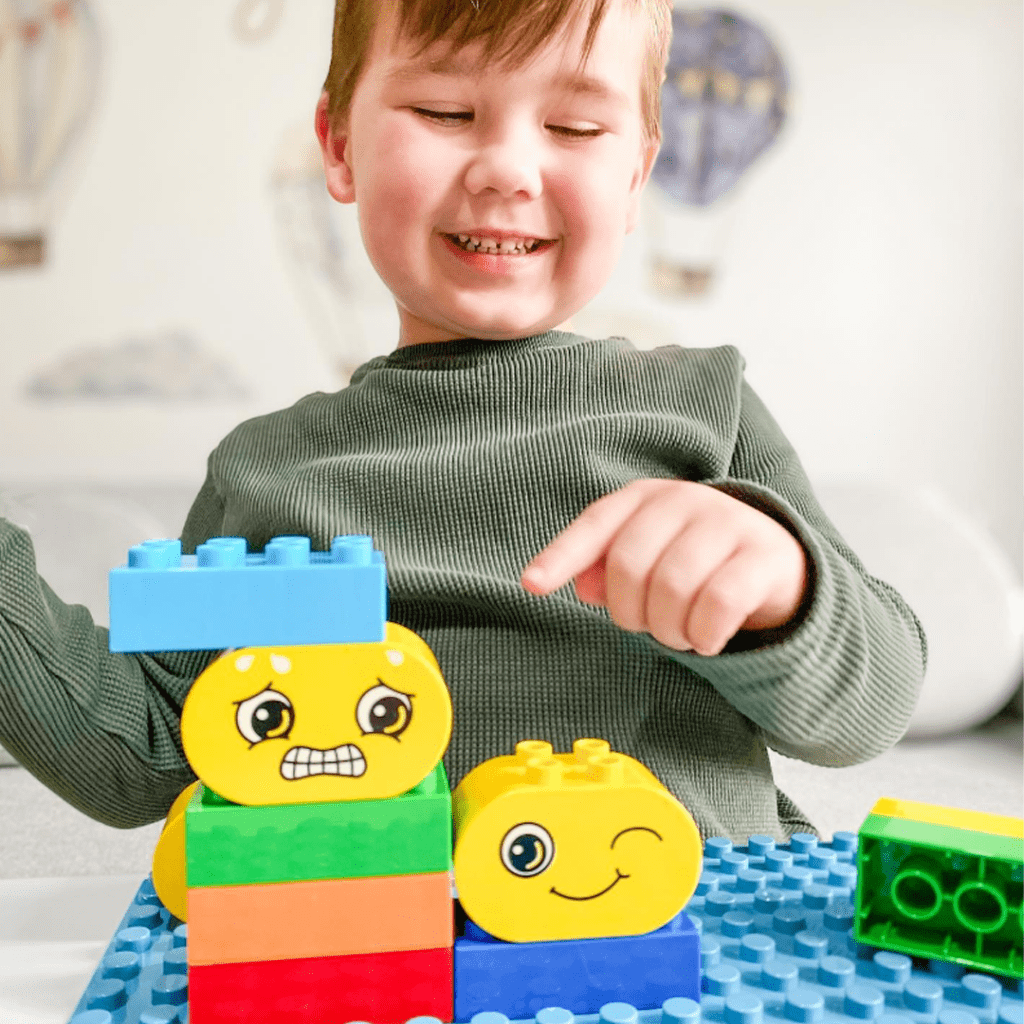
In a world dominated by screens, parents and educators are searching for meaningful educational activities to engage children without digital devices. Enter the Six Bricks Method—a powerful, play-based learning approach that pulls kids away from screens and into a world of hands-on, imaginative play.
This simple tool uses just six colorful building blocks to create a foundation for holistic child development, making learning feel like pure fun.
Key Takeaways
- What it is: The Six Bricks Method is a form of structured play that uses six specific DUPLO® style bricks for short, engaging activities.
- Core Benefit: It provides a powerful, screen-free alternative for Learning Through Play.
- Skills Developed: It enhances a wide range of abilities, including fine motor skills, problem-solving skills, social skills, and language development.
- Who it’s for: It’s ideal for children in their early years (ages 3-7) but can be adapted for all ages.
The Modern Challenge: Too Much Screen Time
Excessive screen time is a major concern for child development. Overexposure can create challenges with attention, sleep, and social interaction. The Six Bricks Method offers a simple, effective, and joyful alternative that promotes active, creative play.
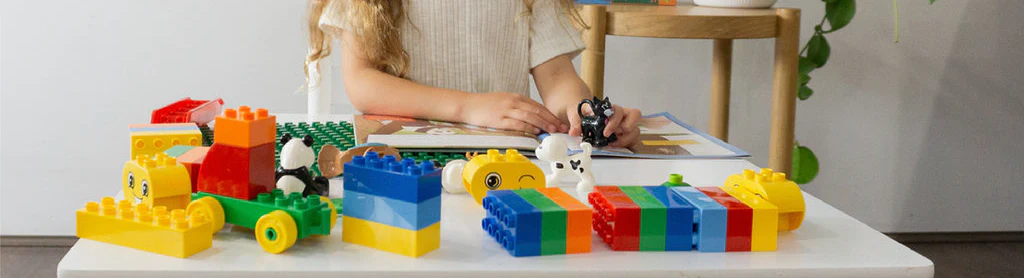
Understanding the Six Bricks Method
The Six Bricks Method is an educational tool that uses a set of six brightly colored bricks to facilitate hundreds of learning activities. Originally developed by Care for Education in South Africa and endorsed by the LEGO Foundation, its goal is to boost critical skills through short, playful exercises.
Its deceptive simplicity is its greatest strength. These activities are designed to enhance everything from emotional development and literacy to numeracy and scientific thinking.
How It Works: The Power of Six Simple Bricks
The method is straightforward and incredibly versatile, making it perfect for homes and classrooms. The vibrant colors capture a child’s interest and aid in memory and cognitive development. These bricks act as tangible tools that help children grasp abstract concepts and build 3D structures, improving:
- Language and Communication: Describing creations and using positional language.
- Math Concepts: Sorting, counting, and understanding patterns.
- Problem Solving: Thinking creatively to complete a building challenge.
The Core Developmental Benefits of Six Bricks
The advantages of using Six Bricks are comprehensive, impacting all aspects of a child’s development.
Cognitive Skills
Activities are designed to challenge children’s minds, encouraging them to think critically, improve their memory and focus, and enhance cognitive flexibility.
Social and Emotional Skills
When used in pairs or groups, the activities teach children to cooperate, share, and listen. This social play is vital for building social skills, empathy, and resilience.
Physical Skills
Handling the bricks directly impacts both fine motor skills (hand strength, dexterity) and gross motor skills through fun, movement-based game ideas.

Integrating Six Bricks with Other Play Styles
The Six Bricks Method is a powerful form of structured play, but it works best when it’s part of a balanced play diet. It perfectly complements other essential types of play common in the early years.
For example, the focused tasks of Six Bricks can provide a calming counterpoint to the freedom of unstructured play or energetic outdoor play. The bricks can be taken into a sandbox for sand play, used in story time to build characters, or combined with Play-Dough and other natural materials for rich sensory experiences.
Frequently Asked Questions (FAQ)
What age group is the Six Bricks Method for?
It’s ideal for children aged 3 to 7 but is easily adapted for older children and even adults.
How does it encourage creative expression?
Six Bricks provides a fantastic canvas for creative expression. Children use the bricks for storytelling, creating characters for imaginative games, and expressing ideas and emotions without words, which is a cornerstone of developmental benefits.
Can it help children with special needs?
Yes. The hands-on, adaptable nature of the activities makes it a supportive and inclusive tool for children with diverse abilities. At sixbrickslearning, we offer specialized training on using the method with autistic children.
How does it compare to traditional learning methods?
Unlike traditional methods that often rely on passive listening, Six Bricks emphasizes active, hands-on engagement, making learning more dynamic, memorable, and effective.
Final Words
The Six Bricks Method is more than just a pile of bricks; it’s a gateway to developing essential life skills. It provides a fun, engaging, and powerful alternative to screen time, fostering curiosity and a love for learning.
Ready to start building a brighter future?