

$66.81
Support autistic learners with structured, practical play routines that build regulation, communication and learning readiness skills in early childhood settings.
This online learning module gives you skills to:
Six Bricks is simple, visual and tactile. It is ideal when learners benefit from clear structure, reduced language load and consistent routines.
This program focuses on how to use Six Bricks to:
This module is designed to translate directly into classroom practice. Common use cases include:
Inside the module, educators will explore:
1) Structured play that works for neurodiverse learners
How to set up short, repeatable activities that reduce cognitive overload and increase participation.
2) Small group and whole group facilitation
How to run the same core activities in different group sizes, and how to differentiate without singling children out.
3) Social skills through hands-on, low-pressure interaction
Simple cooperative builds and partner tasks that naturally prompt communication, joint attention and turn-taking.
4) Regulation and calming routines
How to use Six Bricks as a practical sensory tool: calm corners, transition supports, and “ready to learn” routines.
5) Autism and ADHD considerations in practice
How to adjust instructions, pacing, choice, and repetition to better meet diverse needs while keeping the activity inclusive for all learners.
Is this only for autistic children?
No. The strategies support neurodiverse learners broadly, including children with ADHD, and can be used inclusively with the whole group.
Do I need prior Six Bricks training?
Yes. It is preferable to complete the Six Bricks Training module prior to completing this specialist module. We do not repeat the theory behind Six Bricks in this module.
Can it be used with groups as well as 1:1 support?
Yes. The module covers use in both small and larger groups, as well as calm/structured play approaches that suit different settings.
Does this replace therapy?
No. It is an educator-focused, play-based approach that can complement broader support plans and inclusive practices.
What age range is it best for?
It is typically used in early childhood and school readiness contexts. It can be adjusted based on learners’ needs and abilities.
Are the activities rigid, or can they be adapted?
They are intentionally flexible. Educators can keep the structure consistent while adjusting the number of steps, the language used, the time allowed, and the level of support.
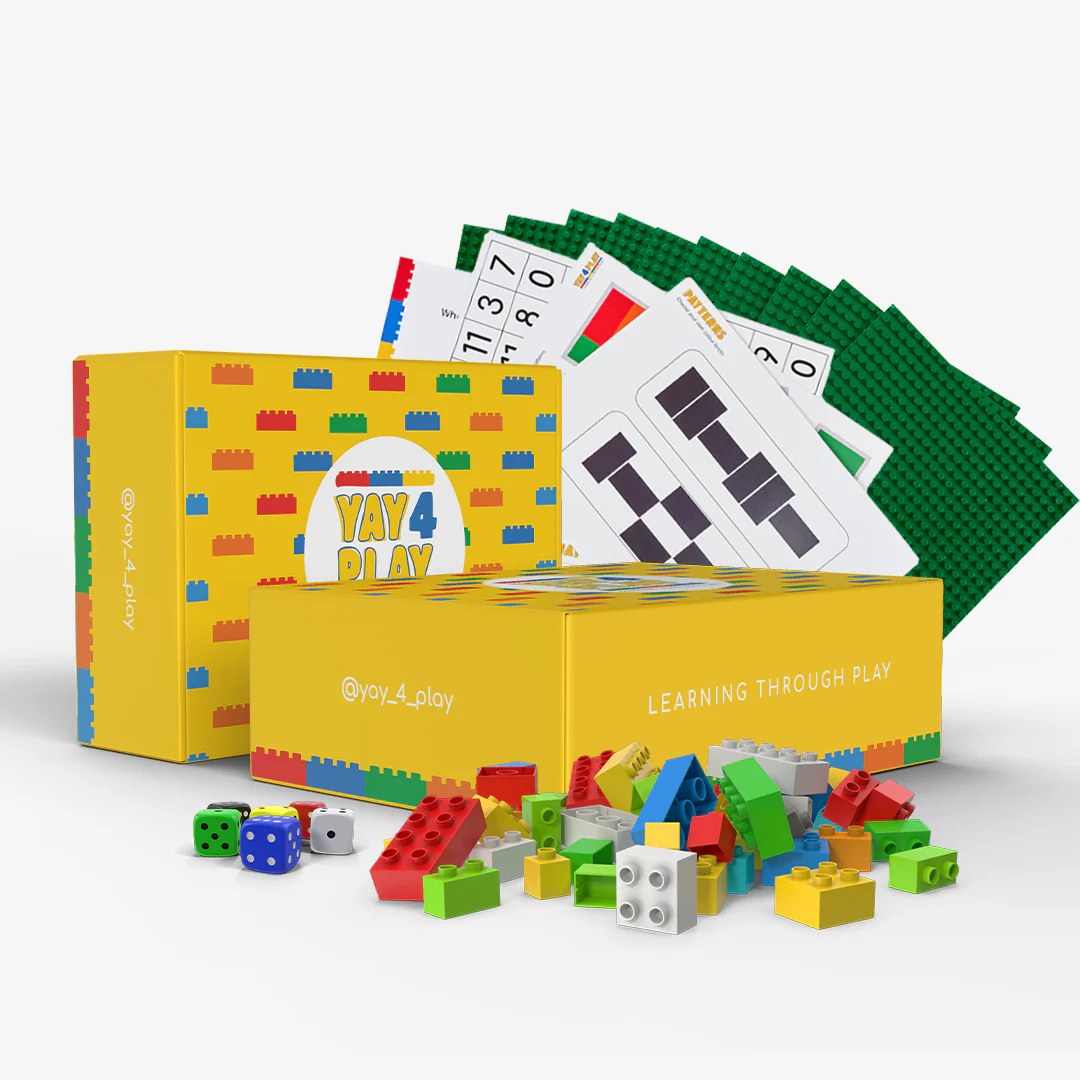
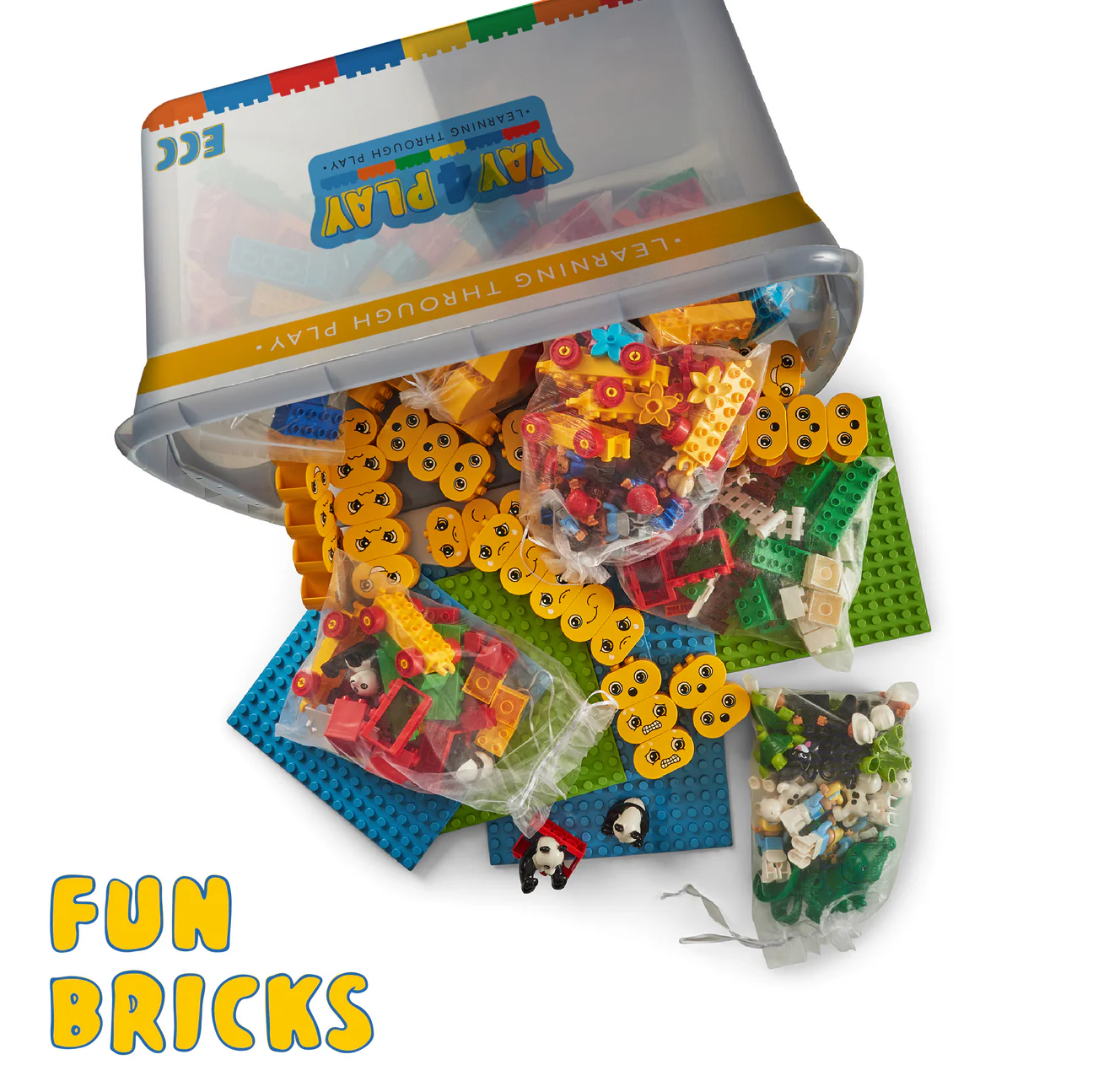
Our kits are ready to use from the moment you open them. Follow our activities using our instruction cards or develop your own. There’s over 100 activities for you when you log into our online portal.
Is it important to you that your child has problem-solving skills and the ability to concentrate and focus? Six Bricks activities and games support the breadth of skills and play to ensure that children gain the skills they need to be successful at school and beyond.
When children play they develop some of the most important skills to ensure that they become lifelong learners. Give children the opportunities to use their whole body to explore and aid their development.